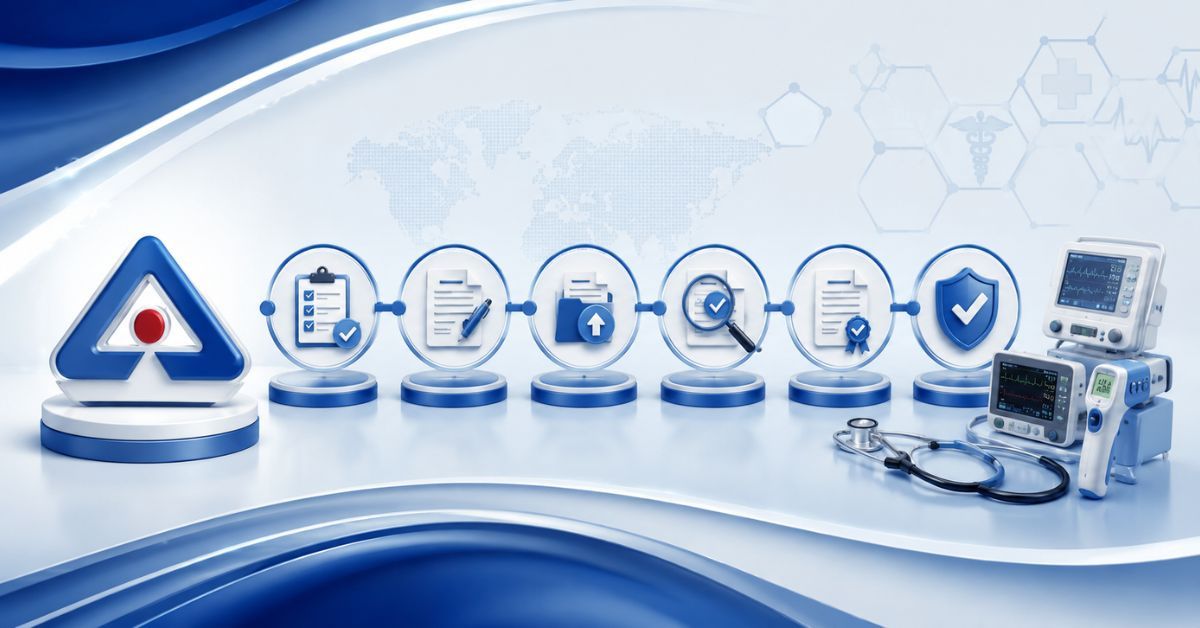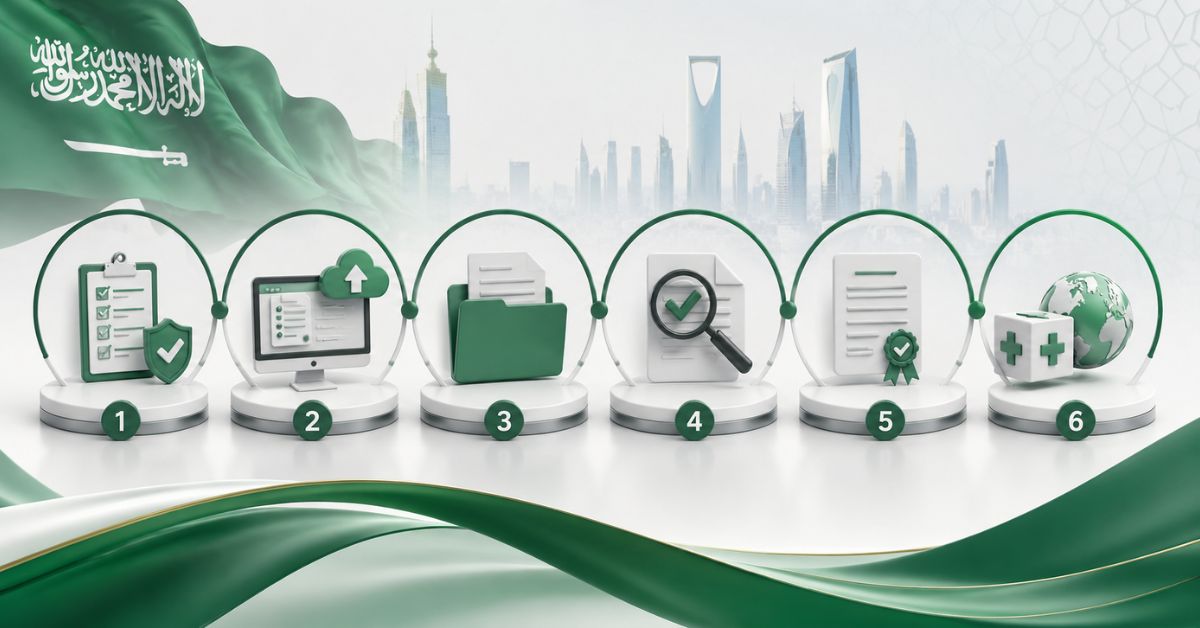
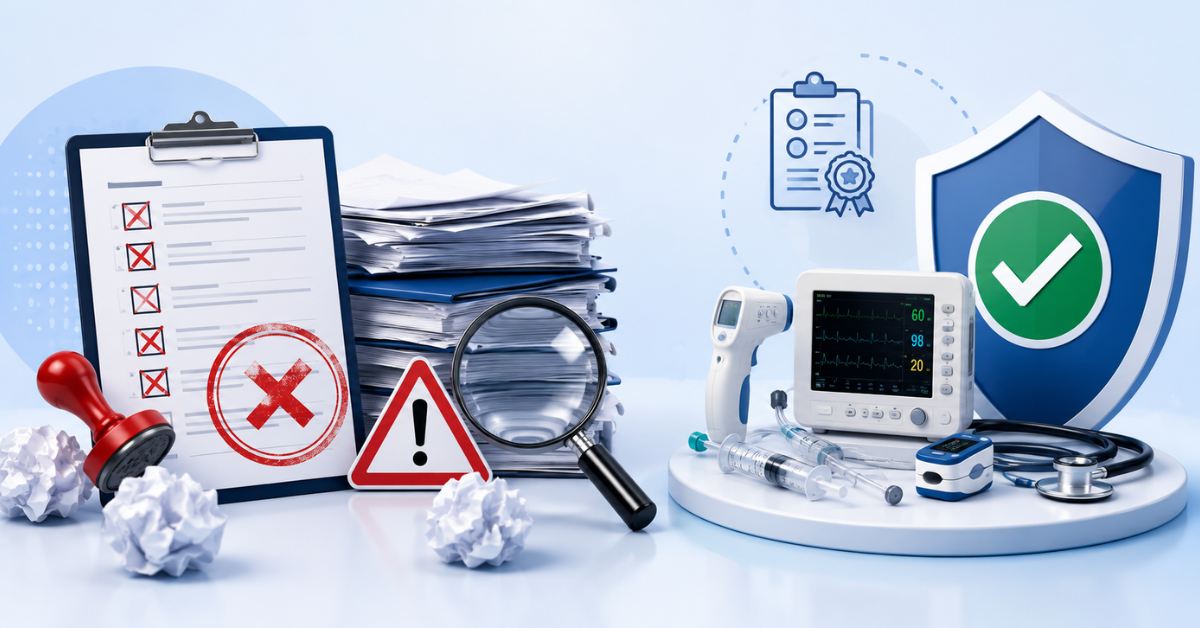
The most common Medical Device Registration mistakes in India include wrong risk classification, incomplete technical documentation, missing ISO 13485 evidence, poor labeling, and delayed regulatory planning. Avoiding these errors during CDSCO Medical Device Registration saves time, reduces cost, and prevents rejection or re-submission delays.
Introduction
Getting a medical device approved for the Indian market is not just paperwork — it is a legal requirement that protects patients and keeps your business compliant. Yet, every year, thousands ofapplications face delays, queries, or outright rejection during Medical Device Registration, simply because ofmistakes that could have been avoided with better planning.
Whether you are a manufacturer, importer, startup, or distributor, understanding these common pitfalls before you apply can save you months ofback-and-forth with regulators. In this guide, you’ll learn what Medical Device Registration in India actually involves, the most frequent mistakes businesses make during CDSCO Medical Device Registration, and practical steps to keep your application on track from day one.
What Is Medical Device Registration?
Medical Device Registration is the regulatory process through which a medical device receives official authorization to be manufactured, imported, sold, or distributed in a country. In India, this process is governed by the Central Drugs Standard Control Organisation (CDSCO) under the Medical Device Rules (MDR) 2017.
Depending on the device’s risk category, registration may involve a manufacturing license, an import license, or a simple registration with supporting technical documentation. The goal ofthe Medical Device Registration Process is to confirm that a device is safe, performs as intended, and meets India’s quality and regulatory standards before it reaches patients.
Why Medical Device Registration Is Important
- Legal requirement: Selling an unregistered device in India can lead to penalties, product seizure, or business shutdown.
- Patient safety: Registration verifies that the device has gone through risk assessment and quality checks.
- Market access: A valid CDSCO license builds trust with hospitals, distributors, and buyers.
- Business continuity: Registered companies avoid the disruption oflast-minute regulatory action.
Compliance Note:
Since October 2023, all Class C and Class D devices require a valid CDSCO license, even those earlier treated as “non-notified.” Ifyour device previously operated without a license, it’s time for a regulatory gap assessment
Common Medical Device Registration Mistakes to Avoid
Below are the most frequent — and costly — mistakes businesses make during Medical Device Registration, based on patterns seen across CDSCO submissions.
- Choosing the Wrong Device Classification Why it happens: Businesses often self-classify without a proper risk-based assessment, confusing Class A with Class B, or Class C with Class D devices. Consequence: Wrong classification leads to using the wrong application form, wrong fee, and possible rejection. How to avoid it: Conduct a formal classification review against MDR 2017’s risk-based rules before applying.
- Submitting Incomplete Documentation Why it happens: Teams underestimate how detailed CDSCO’s document checklist is. Consequence: Missing files trigger deficiency queries, adding weeks or months to approval timelines. How to avoid it: Use a master documentation checklist and verify every file before submission.
- Incorrect or Outdated Technical Files Why it happens: Technical documentation is copied from another market (like the EU or US) without adapting it to CDSCO’s format. Consequence: Reviewers reject files that don’t match India-specific requirements. How to avoid it: Prepare technical documentation specifically aligned with MDR 2017 Schedule requirements.
- Poor Labeling Compliance Why it happens: Labels are designed for other regions and don’t reflect Indian regulatory requirements (like sterilization site license numbers). Consequence: Customs clearance
delays or product recalls after approval. How to avoid it: Review labeling rules for every market you sell in, not just the manufacturing country.
- Missing ISO 13485 Evidence Why it happens: Companies assume general quality certificates are enough. Consequence: CDSCO requires specific proofofan active Quality Management System; without it, applications stall. How to avoid it: Maintain a current, audited ISO 13485 certificate as part ofyour regulatory file.
- Delayed Regulatory Planning Why it happens: Regulatory steps are considered only after product development is complete. Consequence: Last-minute scrambling causes avoidable errors and missed market windows. How to avoid it: Start regulatory planning during product design, not after.
- Misunderstanding CDSCO Requirements Why it happens: Businesses rely on outdated blog posts or assumptions instead ofcurrent CDSCO guidance. Consequence: Applications built on incorrect assumptions get sent back for correction. How to avoid it: Refer to official CDSCO notifications and addenda, or consult a regulatory expert.
- Inadequate Risk Management Documentation Why it happens: Risk management is treated as a formality rather than a structured process. Consequence: Weak risk files raise red flags during technical review, especially for Class C and D devices. How to avoid it: Build risk documentation aligned with ISO 14971 principles from the start.
- Incorrect Authorized Indian Agent Details Why it happens: Foreign manufacturers submit outdated or mismatched agent information. Consequence: Applications get rejected on procedural grounds alone. How to avoid it: Confirm your Authorized Indian Agent’s details match current CDSCO records exactly.
- Failure to Maintain Post-Market Compliance Why it happens: Companies assume the job ends once the license is granted. Consequence: Missed vigilance reporting or renewal deadlines can suspend an active license. How to avoid it: Set up a compliance calendar for renewals, vigilance, and post-market surveillance.
- Ignoring Document Version Control Why it happens: Multiple teams edit files without a central tracking system. Consequence: Reviewers receive mismatched or outdated document versions, causing confusion and delay. How to avoid it: Use a controlled document management system, ideally a digital eQMS.
- Not Conducting a Proper Regulatory Gap Analysis Why it happens: Businesses assume their existing documentation is “good enough” for India. Consequence: Gaps surface only after submission, when they’re most expensive to fix. How to avoid it: Run a pre-submission regulatory gap analysis to catch issues early — this is one ofthe highest-leverage steps in the entire process.
How to Avoid Registration Delays
- Start with a pre-submission regulatory assessment to identify gaps before you apply.
- Keep a living documentation checklist that’s updated as requirements change.
- Assign a single point ofownership for Medical Device Compliance within your team.
- Track CDSCO addenda and circulars regularly, since interpretation guidance is updated periodically.
- Build in time for clinical evaluation, especially for Class C and D devices.
CDSCO Registration Requirements
At a minimum, most CDSCO Registration Requirements include:
- Device classification report (Class A, B, C, or D)
- Technical documentation / device master file
- ISO 13485 Quality Management System certificate
- Risk management file (ISO 14971 aligned)
- Labeling and instructions for use
- Authorized Indian Agent details (for foreign manufacturers)
- Clinical evaluation report (for higher-risk devices)
- Post-market surveillance plan
Medical Device Registration Process Explained
- Classify the device based on risk (A, B, C, or D).
- Prepare documentation, including technical files and QMS evidence.
- Submit the application through the CDSCO online portal.
- Undergo review/audit — Notified Body for Class A/B, CDSCO inspectors for Class C/D.
- Respond to queries, ifany, from the reviewing authority.
- Receive the license/registration certificate upon successful review.
- Maintain post-market compliance, including vigilance and renewal tracking.
Documentation Checklist
| Document | Required For |
|---|---|
| Device Classification Report | All classes |
| Technical Documentation | All classes |
| ISO 13485 Certificate | All classes |
| Risk Management File | All classes (mandatory for Class C & D) |
| Clinical Evaluation Report | Class C & D |
| Labeling & IFU | All classes |
| Authorized Indian Agent Agreement | Foreign manufacturers/importers |
| Post-Market Surveillance Plan | All classes |
Medical Device Classification Errors
Classification mistakes are among the most common Common Medical Device Registration Mistakes, since they affect everything downstream — the application form, fee, documentation depth, and audit type. A Class A Medical Device (low risk, e.g., a surgical instrument) has very different requirements than a Class D Medical Device (high risk, e.g., a cardiac stent). Getting this wrong at the start often means restarting the entire process.
Correct Practice vs. Common Mistake Comparison Table
| Correct Registration Practice | Common Registration Mistake | Potential Consequence | Best Practice Solution |
|---|---|---|---|
| Formal risk-based classification | Self-classifying without assessment | Wrong form/fee, rejection | Independent classification review |
| Complete technical dossier | Reusing files from other markets | Deficiency queries | India-specific technical documentation |
| Active ISO 13485 certificate | Assuming general QMS is enough | Application stalls | Maintain audited ISO 13485 evidence |
| Structured risk file (ISO 14971) | Treating risk management as a formality | Rejected technical review | Build risk file from the design stage |
| Pre-submission gap analysis | Submitting without internal review | Late-stage rejections | Conduct gap analysis before filing |
Compliance Best Practices
- Treat Medical Device Regulatory Compliance as an ongoing process, not a one-time event.
- Digitize your documentation with an eQMS for better version control and audit readiness.
- Align risk management with ISO 14971 and quality systems with ISO 13485 from day one.
- For Software as a Medical Device (SaMD) and AI-enabled devices, review CDSCO’s software guidance closely, since this is an evolving area ofregulation.
- Build audit-readiness into daily operations rather than preparing only before inspections.
Latest Regulatory Updates for 2026
CDSCO has been actively refining MDR 2017 through addenda and draft amendments. Recent developments businesses should track include clarified labeling requirements for outsourced sterilization, structured testing fee frameworks, updated guidance on medical device software, and continued expansion ofmandatory licensing for Class C and D devices. Because these updates affect CDSCO Registration Requirements directly, staying current is essential — rules that applied even a year ago may already have changed.
Illustrative Example (For Educational Purposes Only)
This is a hypothetical scenario and does not represent an actual client ofTraccglobal.
Imagine a medical device startup preparing to launch a Class B diagnostic device in India. Before submission, the team ran a regulatory gap analysis and discovered their technical file was formatted for the EU market, not CDSCO’s requirements, and their ISO 13485 certificate had lapsed by two months. By identifying these issues early, they corrected the documentation, renewed their certification, and submitted a complete application avoiding what could have been a multi-month delay. This illustrates why pre-submission review matters so much in the Medical Device Approval journey.
Medical Device Registration Checklist
- Confirmed device risk classification
- Technical documentation aligned to MDR 2017
- Valid ISO 13485 certificate on file
- Risk management file (ISO 14971) complete
- Labeling reviewed for India-specific requirements
- Authorized Indian Agent details verified
- Clinical evaluation report ready (ifapplicable)
- Post-market surveillance plan documented
- Internal regulatory gap analysis completed
- Document version control system in place
How Traccglobal Can Help
Navigating Medical Device Registration in India involves many moving parts — classification, documentation, quality systems, and ongoing compliance. Traccglobal is a global regulatory consulting company supporting manufacturers, importers, and startups with CDSCO Registration, ISO 13485 Consulting, Technical Documentation Services, ISO 14971 Risk Management, FDA Consulting, CE Marking Services, and EU MDR Consulting.
Ifyou’re preparing for CDSCO Medical Device Registration and want to avoid the mistakes outlined above, Traccglobal’s regulatory affairs team can help you run a pre-submission gap analysis and build an audit-ready documentation package. Working with an experienced Medical Device Regulatory Consultant early in the process is often the difference between a smooth approval and months ofdelay.
FrequentlyAsked Questions
1. What is the biggest mistake in Medical Device Registration?
The most common mistake is incorrect device classification. It affects the application form, documentation depth, and fees, and often forces businesses to restart their submission.
2. How long does CDSCO Medical Device Registration take?
Timelines vary by device class and application completeness. Class A/B devices are typically faster; Class C/D devices involve more detailed review and audits, extending timelines.
3. What documents are needed for CDSCO Registration?
Timelines vary by device class and application completeness. Class A/B devices are typically faster; Class C/D devices involve more detailed review and audits, extending timelines.
4. Is ISO 13485 mandatory for Medical Device Registration in India?
Yes, CDSCO requires evidence ofan active Quality Management System, and ISO 13485 certification is the standard way to demonstrate this compliance.
5. Yes, CDSCO requires evidence ofan active Quality Management System, and ISO 13485 certification is the standard way to demonstrate this compliance.
You typically receive deficiency remarks and can resubmit after addressing them, though this adds significant time to your approval timeline.
6. Do importers need an Authorized Indian Agent?
Yes, foreign manufacturers must appoint an Authorized Indian Agent to manage the registration and communicate with CDSCO on their behalf.
7. What is the difference between Class C and Class D medical devices?
Class C devices are moderate-to-high risk, while Class D devices are high risk, such as pacemakers or cardiac stents. Class D requires the most rigorous review.
8. How can I avoid delays in Medical Device Approval?
Run a pre-submission regulatory gap analysis, keep documentation updated, and work with an experienced regulatory consultant familiar with current CDSCO requirements.
9. Does Software as a Medical Device (SaMD) need CDSCO registration?
Yes, software that meets the medical device definition under MDR 2017 requires registration; CDSCO has issued specific guidance clarifying how these rules apply.
10. Can a regulatory consultant speed up Medical Device Registration?
A consultant can’t guarantee approval timelines, but experienced guidance helps avoid common documentation and classification mistakes that cause delays.
Conclusion
Medical Device Registration doesn’t have to be a stressful, drawn-out process. Most delays and rejections trace back to avoidable mistakes — wrong classification, incomplete files, weak quality documentation, or poor post-market planning. By understanding these common pitfalls and building a structured, pre-submission review process, businesses can move through CDSCO Medical Device Registration with far greater confidence and speed.
Ifyou’re planning to register a medical device in India and want expert support avoiding these mistakes, Traccg lobal offers end-to-end regulatory consulting — from classification and documentation to ISO 13485, risk management, and global market access support.
Contact Traccg lobal today to start your regulatory gap assessment.